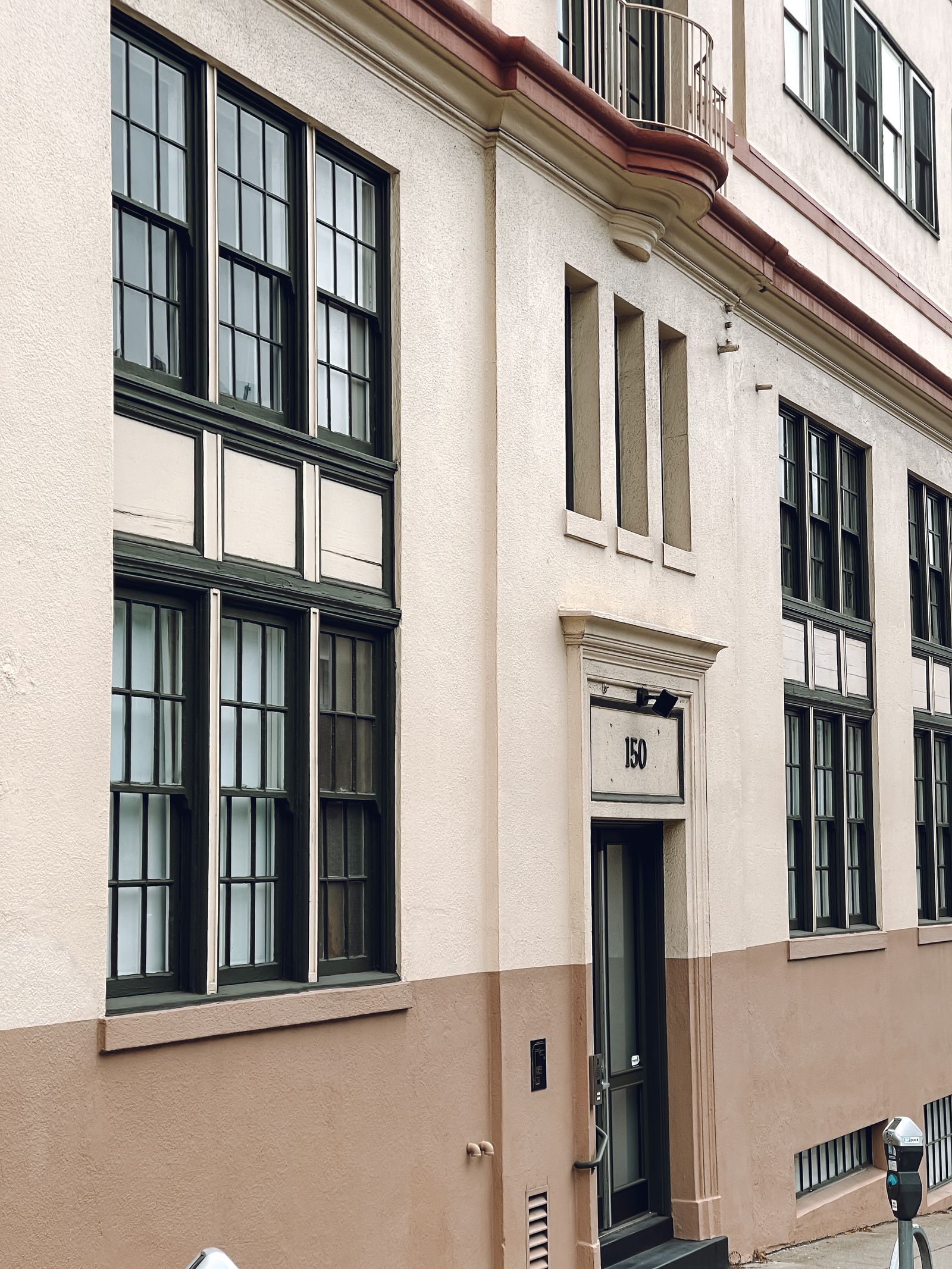
Soft washing addresses a condition, not a building label
Soft washing generally combines compatible chemistry, controlled dwell time, and a measured lower-pressure rinse to loosen or treat suitable organic growth and atmospheric soil. It may fit tested stucco, painted concrete, EIFS, brick, precast, or architectural panels affected by algae-like staining, mildew-like growth, pollen, leaf film, or light salt-laden grime. Lower pressure can reduce impact on coatings and joints, but it is only one part of the method. Product strength, surface temperature, dwell, wind, overspray, glazing, metals, landscaping, and runoff still matter.
West Palm Beach's mixed properties make a single answer unreliable. A shaded wall near a palm-lined walkway may have biological growth, while a lower wall along Okeechobee Boulevard has traffic film and irrigation residue. A Flagler Drive property may have salt film, a downtown canopy may have bird residue, and an older storefront may have failed mortar or mineral deposits. A test area can help establish compatibility and likely improvement. Cleaning is not leak diagnosis, restoration, or coating replacement.
- Choose chemistry and rinse control for the actual material and soil.
- Use a representative test area when coatings, repairs, or deposits are uncertain.
- Protect plants, palms, metals, glazing, sealants, air intakes, and occupied routes.
- Separate organic staining from salt, minerals, oxidation, damage, and drainage defects.
Pressure washing belongs in selected durable zones
Pressure washing can suit compatible concrete approaches, curbs, loading aprons, service yards, dumpster pads, and some hardscape when pressure at the surface, flow, nozzle, distance, angle, drainage, and nearby activity are controlled. It is not automatically the right method for a facade. Excessive force can etch concrete, disturb mortar, lift paint, mark EIFS, open sealant joints, expose aggregate, or push water behind panels and openings. A machine's maximum rating says little about the pressure an operator applies at the surface.
A West Palm Beach property may need a method map rather than one setting. Controlled pressure could clean a port-side service yard, a tested soft wash could address organic staining on an upper wall, and hand or pole work could protect glass and architectural details. The quote should explain why pressure is proposed in each zone, what will be protected, how runoff will be managed, and what dry finish will be checked. A stronger blast is not a substitute for identifying the soil.
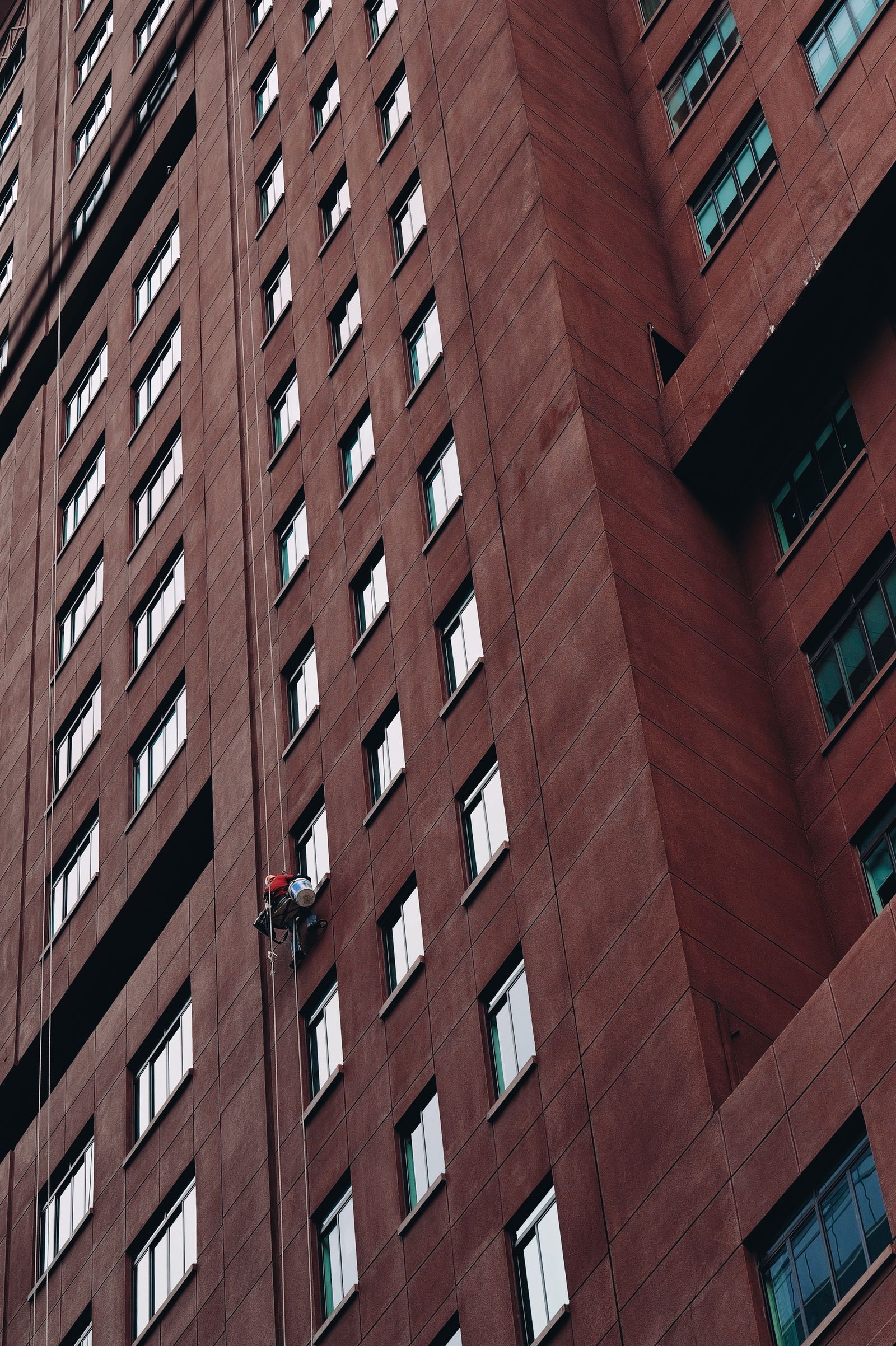
Match the method to West Palm Beach corridors and users
Downtown buildings around Clematis Street, Rosemary Square, and Flagler Drive may prioritize pedestrians, restaurant seating, event calendars, narrow staging, storefront glass, and a dry sidewalk before opening. Offices along Okeechobee Boulevard and Palm Beach Lakes Boulevard may need employee and visitor flow, tenant notices, and visible signage preserved. Medical properties near I-95 need patient drop-off, emergency access, accessible routes, quiet windows, and careful control around doors and air intakes. Retail and hospitality properties need customer arrival and valet areas to remain clean and legible while work proceeds.
Industrial sites near North Flagler Drive, 45th Street, Australian Avenue, and the Port of Palm Beach may have trucks, forklifts, loading doors, security gates, metal panels, broad concrete, and drainage toward an inlet or canal. Their operational priority may be a visitor route, dock apron, or selected public-facing elevations instead of every hidden wall. The right method follows the business result: an event reset, patient arrival, tenant turnover, recurring maintenance, or removal of a specific deposit. Occupancy should shape the scope as much as surface type.
Let heat, humidity, salt, rain, and runoff influence the comparison
Coastal heat and humidity can shorten chemical dwell on a sun-facing wall while shade beneath palms, canopies, or landscaping keeps another elevation damp. Seasonal rain and warm moisture support recurring organic staining, and salt-laden air can leave film on metal, glass, railings, and painted surfaces. Pollen and leaf debris collect on ledges and signs. These conditions do not automatically favor soft washing or pressure washing; they change timing, protection, test method, drying expectations, and inspection.
Runoff is part of the method decision. The City of West Palm Beach describes a large stormwater system with many inlets and canals, and Palm Beach County also maintains stormwater infrastructure. A wall beside a curb inlet, sloped garage, landscaped entry, or low loading lane can move rinse water quickly. Controls may include diversion, recovery, reduced water, filtration, collection, plant protection, or coordination with the responsible authority, depending on product, soil, volume, slope, and site requirements. A visible inlet is not automatic permission to discharge wash water.
Trace the source of a streak before blaming the process. Overflowing gutters, failed downspouts, roof-edge defects, irrigation overspray, condensation, open joints, salt deposition, or a leaking wall can make a cleaning result look temporary when the cause remains active. A facilities team should know when a roofer, mason, painter, corrosion specialist, or envelope professional is needed after or instead of washing.
Treat access and aerial work as part of method selection
Access can change the practical answer. West Palm Beach sites may have narrow downtown sidewalks, palms, utility lines, parking decks, marina or port operations, landscaped setbacks, active loading lanes, medical traffic, valet service, and event crowds. Identify staging, lifts, barriers, hose routes, accessible paths, doors, cameras, air intakes, vehicles, spotters, emergency routes, and the person who can pause work. A method that is technically suitable may be an operational mismatch if people and water cannot be controlled around it.
Drone assistance may support broad upper elevations when wind, stand-off distance, line of sight, launch space, airspace, public separation, facade compatibility, and water management align. It does not replace close condition assessment, contact glass cleaning, detail work, or repairs. Near Palm Beach International Airport, the Port of Palm Beach, medical helicopter activity, or a scheduled public event, the address and date matter. If aerial controls are not adequate, a pole, lift, ground, or hybrid plan may be more predictable.
Use the proposal to compare outcomes instead of slogans
Ask the provider to show which elevations receive soft washing, controlled pressure, contact work, or another treatment and why. The proposal should identify materials, visible soil, test areas, access, weather limits, plant and opening protection, public controls, water source, runoff assumptions, included features, exclusions, and the intended finish. It should explain what happens if a deposit is salt, mineral, oxidized, embedded, or caused by a repair issue. A pressure number without nozzle, distance, flow, and surface controls is not a complete comparison.
Photos help: include the main entry, shaded wall, upper elevation, roof edge, loading area, nearby drain, windows, and a close view of the stain. Note employee arrivals, patient traffic, deliveries, security, production, outdoor dining, valet, and preferred handback times. To discuss a West Palm Beach property, call +1 239-351-2897 or email contact@dronebuildingcleaners.com. Drone Building Cleaners can turn the comparison into a site-specific scope with realistic expectations and a clear next step.